

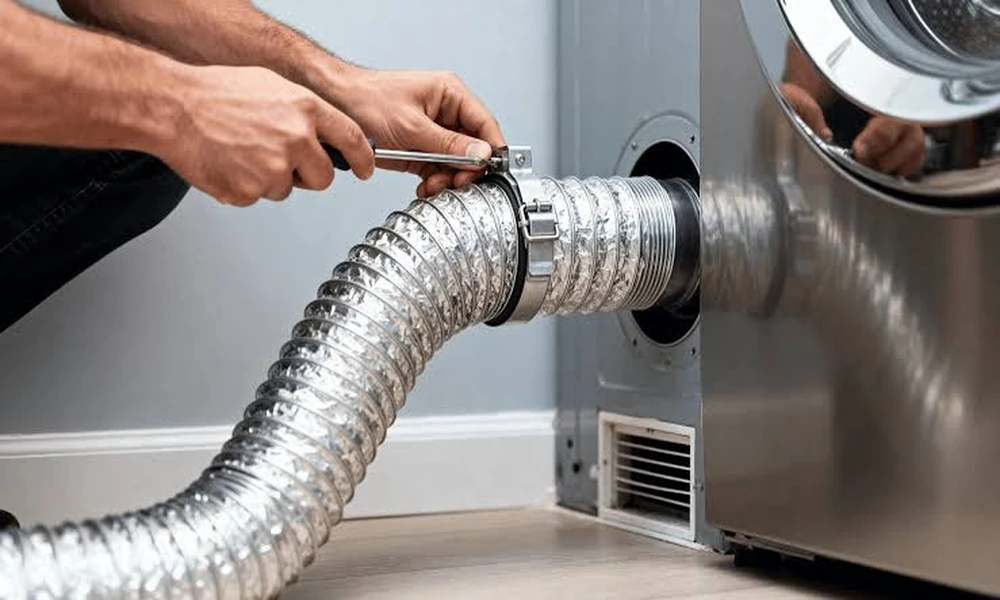
Proper ventilation supports safe appliance operation. Every home need reliable airflow management. The right vent system protects indoor spaces. It also improves drying performance. The complete design needs careful planning. dryer vents carry warm moist air outside. The correct materials reduce future problems. Now every installation deserves careful attention. Good planning creates lasting efficiency. The proper system also supports household safety through dependable airflow during regular appliance use.
Choosing the Right Vent Materials
Quality materials provide dependable performance. Strong metal resists daily wear. Smooth interior walls improve airflow. Flexible plastic creates unnecessary resistance. The better choice remains rigid metal because steady airflow reduces trapped moisture and unwanted lint buildup. Durable aluminum performs very well. Galvanized steel offers lasting strength. The selected material should resist corrosion. Sometimes proper material selection prevents expensive maintenance. The entire vent pathway remains cleaner with smooth surfaces that discourage heavy debris collection. Reliable construction also supports longer service life.
Understanding Proper Airflow Performance
Good airflow keeps drying efficient. Fresh air moves freely. Moisture leaves the appliance quickly. Blocked pathways reduce performance. The complete airflow system works effectively when every connection remains sealed and carefully aligned. Smooth airflow lowers operating stress. Proper vent diameter remains important. Sharp turns slow movement. So gentle bends create better circulation. Clean passageways allow warm air to travel efficiently without creating excessive pressure inside the appliance system. Balanced airflow also protects important internal components. Reliable movement supports consistent drying during every cycle.
Following Correct Installation Standards
Professional installation improves overall reliability. Every joint need secure fastening. Proper alignment prevents leakage. Tight connections protect performance. The entire vent route should remain short because direct airflow improves drying efficiency and appliance safety. Exterior vent covers need protection. Backdraft dampers stop outside air. Proper wall openings prevent damage. Now careful installation supports dependable ventilation. Every support bracket should hold the vent securely while reducing movement during repeated appliance operation. Strong connections also reduce unwanted vibration. Safe placement protects nearby building materials.
Preventing Common Vent Problems
Regular inspection keeps systems dependable. Clean vents reduce restrictions. Lint removal improves performance. Moisture should escape completely. The complete vent pathway stays efficient when regular maintenance removes hidden buildup before serious blockage develops. Small problems become larger sometimes. Routine cleaning prevents overheating. Secure joints stop air leaks. But neglected maintenance increases repair risks. Clear airflow protects appliance efficiency while reducing unnecessary strain on important mechanical components throughout every drying cycle. Consistent inspections reveal hidden concerns. Timely attention supports reliable long-term operation.
Maintaining Long Lasting Vent Performance
Proper maintenance extends equipment life. Clean airflow protects efficiency. Safe operation requires attention. Every inspection adds value. The complete vent system performs consistently when careful maintenance supports unrestricted airflow across every connected section. Seasonal cleaning prevents hidden buildup. Exterior openings need observation. Strong materials deliver lasting reliability. So careful maintenance protects both performance and household safety through every stage of appliance operation. Well-designed vent systems continue serving effectively with regular inspections and thoughtful care throughout changing household conditions. Reliable maintenance also encourages dependable drying results while preserving overall appliance performance for many years.
