

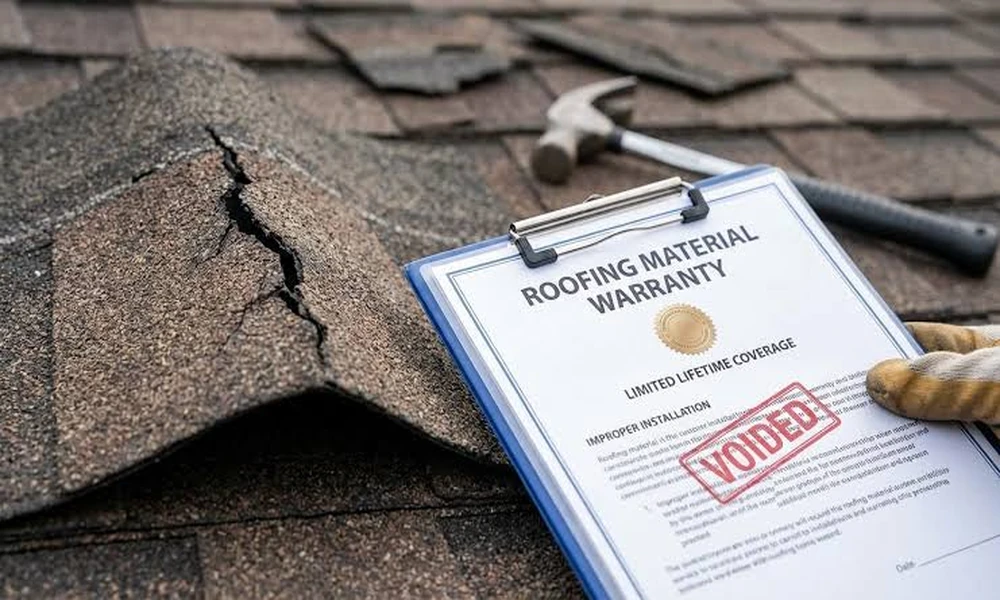
A new roof usually comes with paperwork that promises protection for decades. Many homeowners file it away without reading it, and then discover years later that the coverage they assumed they had is narrower than expected. Roof warranties are not all the same, and the headline number, such as “lifetime” or “50 years,” rarely tells you what you will actually receive. At Mid Atlantic Roofing Systems and other professional roofing firms, the warranty conversation is part of any serious estimate, and this guide explains the main types, the terms that matter and the mistakes that can leave you uncovered.
Two Different Warranties, Two Different Promises
Most roofing jobs involve at least two separate warranties, and they protect against different problems.
Manufacturer warranty (material warranty). This is issued by the maker of the shingles, metal panels or other roofing components. It typically covers defects in the materials themselves, such as manufacturing flaws that cause premature failure. It generally does not cover problems caused by poor installation, storm damage or neglect.
Workmanship warranty (installation warranty). This is issued by the contractor and covers errors in how the roof was installed, such as improperly fastened shingles, flashing mistakes or leaks traced to installation. The length varies widely, from a year or two to a decade or more, and it is only as reliable as the company standing behind it.
Because most roof failures trace to installation or storms and not to defective materials, the workmanship warranty is often the more valuable of the two. A long manufacturer warranty paired with a short or vague workmanship warranty leaves a gap.
Enhanced and System Warranties
Many manufacturers offer upgraded coverage when a roof is installed using a complete system of their products, such as matching underlayment, starter strips, ridge caps and vents, and when the contractor is certified or approved by the manufacturer. These enhanced warranties may cover labor as well as materials, extend the non-prorated period and sometimes include coverage for installation errors. They often come with specific requirements, including registration and inspection, so ask what the roofer must do to qualify and who is responsible if something goes wrong.
Key Terms to Understand
Prorated vs non-prorated. A non-prorated period means the manufacturer covers the full cost of materials (and sometimes labor) for a set number of years. After that, coverage becomes prorated, meaning your share of the cost rises each year as the roof ages. A “lifetime” warranty may be fully non-prorated for only the first several years.
Transferability. Some warranties can be transferred to a new owner when you sell, sometimes for a fee and often only once. Transferability can be a selling point, so check whether it applies, how many times it can happen and what paperwork is required.
Limited vs full. Most roofing warranties are limited, which means there are conditions and exclusions. Federal rules require written warranties on consumer products to be labeled as either full or limited, and the labeling tells you something about how generous the terms are.
Labor coverage. Many material warranties cover only the product, not the cost to remove and install replacement materials. Without labor coverage, you may pay thousands out of pocket even when the material is found defective.
Registration requirements. Some warranties are not active until the roof is registered with the manufacturer within a specific period after installation. Missing the deadline can reduce or eliminate coverage.
Claim process. The warranty should explain how to file a claim, what documentation is required, who inspects the roof and how long the manufacturer has to respond.
Common Exclusions
Read the exclusion section carefully, since it is often where the real limits appear. Typical exclusions include:
- Damage from hail, high winds above a stated threshold, fire, lightning or other severe weather, which are usually the territory of homeowners insurance
- Problems caused by inadequate attic ventilation
- Damage from foot traffic, equipment installation or alterations to the roof
- Structural movement, settling or defects in the underlying decking or framing
- Algae, moss or mildew staining, unless the shingles are specifically algae-resistant and the warranty includes it
- Normal weathering, fading and granule loss within expected limits
- Damage from improper repairs by another party
- Roofs that were not maintained according to the manufacturer’s instructions
What Can Void a Warranty
A warranty that looks generous can become useless if certain conditions are not met. Common issues:
- Installation errors or non-approved installers. Some warranties require installation by a certified contractor or according to the manufacturer’s specifications.
- Mixing components. Using products from different manufacturers in place of those specified for a system warranty can affect coverage.
- Ventilation problems. Insufficient attic ventilation is a frequent reason claims are denied.
- Unapproved modifications. Adding solar panels, antennas or satellite dishes without proper flashing and following the manufacturer’s guidelines can cause trouble.
- Neglect. Failing to clear debris, repair damage promptly or provide required maintenance can reduce your protection.
- Missing registration or documentation. Without proof of installation date, product details and registration, a claim may be difficult.
- Roof layering. Installing new shingles over an existing layer may violate requirements for some products.
Federal Guidance on Warranties
The Federal Trade Commission offers consumer advice on written warranties, including looking at how long coverage lasts, what it covers, how to obtain service and keeping copies of the warranty and your receipts. Its guide on written warranties is a helpful starting point for understanding your rights and the questions to ask. Protections for services, such as installation work, can differ from those for products, and state law may apply, so for a significant dispute, a lawyer or your state consumer protection office can explain what applies to you.
How Warranties Interact With Insurance
A warranty and homeowners insurance are not interchangeable. Warranties address defects and installation errors, while insurance generally covers sudden, accidental damage such as storm damage. If a hailstorm damages a newly installed roof, the claim usually goes to your insurer, not the manufacturer. If shingles fail because of a manufacturing defect, or a leak traces back to a flashing error, the warranty is the right path. Knowing which applies saves time and helps you document the problem correctly.
Questions to Ask Before You Sign
- What warranties come with this job, and who issues each of them?
- How long is the workmanship warranty, and what exactly does it cover?
- Is the manufacturer warranty prorated, and when does proration begin?
- Does the warranty cover labor as well as materials?
- Is the warranty transferable to a future buyer, and what is the process?
- Do I need to register it, and who will do that?
- What could void the coverage, and what maintenance is required?
- Are you certified by the manufacturer to install the system I am buying?
- If the company went out of business, would the warranty still be honored?
- Can I see the full warranty document before signing the contract?
Steps to Protect Your Coverage After the Job
- Get everything in writing. Request the full warranty documents, product names and installation date.
- Confirm registration. Ask for proof that the warranty has been registered, if required.
- Save records. Keep the contract, invoice, receipts, photographs and warranty documents in one place, digitally and on paper.
- Maintain the roof. Follow the manufacturer’s instructions, keep gutters clear and schedule periodic inspections.
- Document changes. Before adding equipment or making modifications, check whether it will affect your warranty and use qualified installers.
- Report problems promptly. Contact the contractor or manufacturer as soon as you see signs of a leak or defect, and follow the claim process in writing.
- Take photographs. Keep dated images of the roof’s condition over time, which can support a claim.
The Takeaway
A roof warranty is only as good as its terms, its conditions and the company behind it. Look past the number of years and focus on who covers what, whether labor is included, how coverage changes over time and what you must do to keep it valid. Choose a contractor who explains these details openly, provides everything in writing and has a track record of standing behind its work. Then protect your coverage with good records and regular maintenance.
