

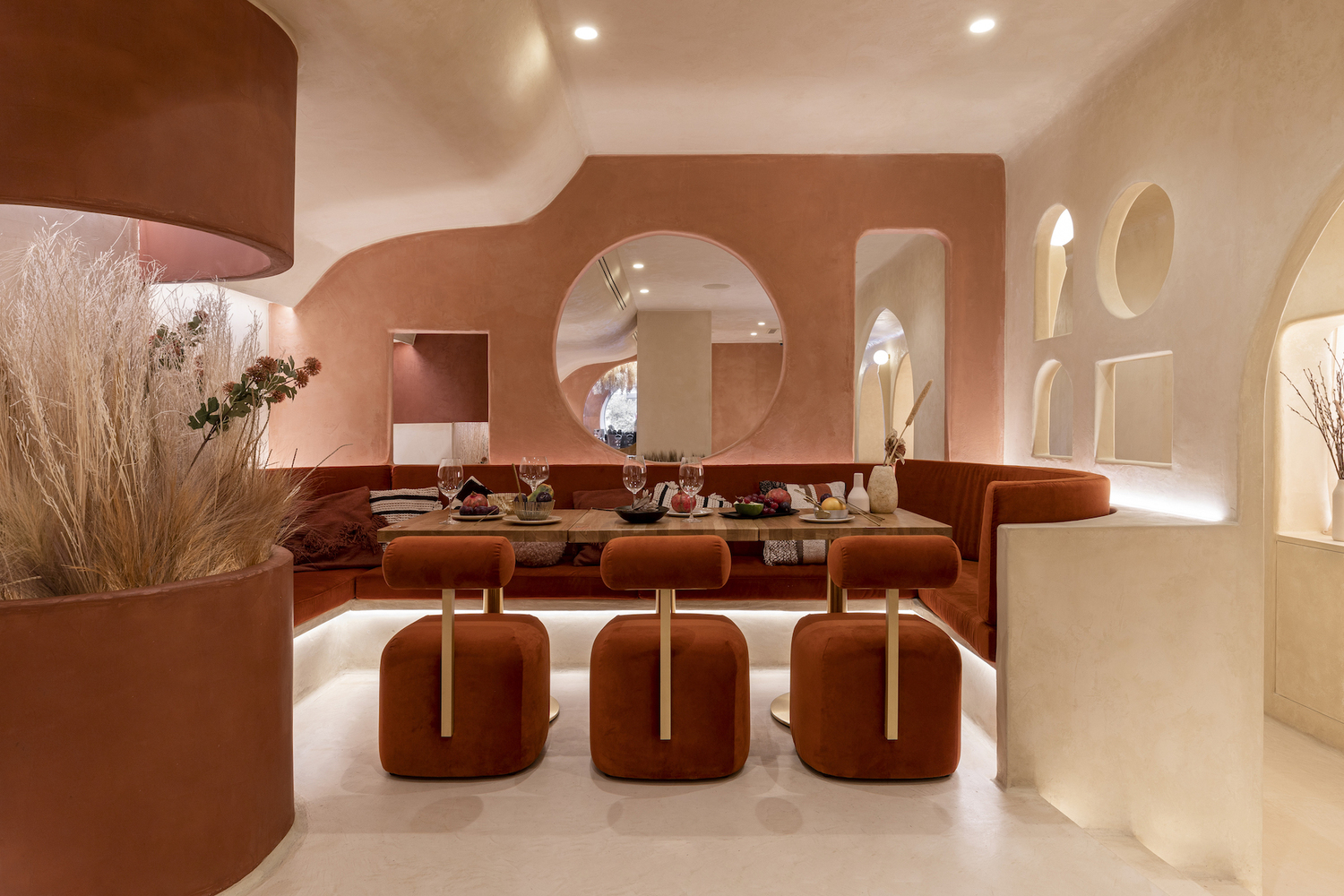
When interior design, two key aspects need to be carefully balanced – functionality and aesthetics. A successful interior design is one not only looks visually appealing but also serves its purpose effectively. Achieving this delicate balance requires a thoughtful approach and an understanding of the needs and desires of the occupants. This balance is typically achieved with structural, environmental, and aesthetic design elements. Structural elements such as size, design, and construction materials create the desired atmosphere. Environmental factors such as light, temperature, and air improve occupant comfort.
Functionality is the backbone of any interior space. Creating a space that fulfills practical requirements but also improves the quality of life of its occupants is essential for a successful design. Before delving into the aesthetics, it is crucial to assess the functionality needs of the space. Each room should be designed with an eye toward its layout, flow, and purpose. A culinary space should be meticulously planned to enable streamlined cooking and storage, whereas a lounge area should prioritize coziness and cultivate an ambiance conducive to socializing and unwinding. To achieve functionality, interior designers must carefully consider the needs and lifestyles of the occupants. What are their preferences and requirements? By understanding these aspects, designers make informed decisions regarding the placement of lighting and other elements that contribute to the overall functionality of the space.
Once the functional aspects are addressed, attention is turned toward aesthetics. Aesthetics in design involve creating a visually pleasing environment that reflects the style of the occupants. It includes selecting appropriate colors, textures, patterns, and materials that harmonize with the overall design concept. The objective is to construct an environment that elicits emotions, stimulates the senses, and offers a delightful ambiance. While aesthetics are important, they should never overshadow functionality. A beautifully designed space is of little use if it doesn’t serve its purpose effectively. When selecting furniture, designers must consider not only its visual appeal but also its comfort and functionality. Choosing decorative elements, such as artwork or accessories, should enhance the overall design without cluttering the space or impeding its functionality. The art of balancing functionality and aesthetics lies in finding the perfect equilibrium between the two. It necessitates a profound comprehension of design principles, discerning attention to minutiae, and the capacity to engage in imaginative thinking. It also involves making informed decisions to prioritize the needs of the occupants while maintaining a cohesive and visually pleasing design concept.
Designers are increasingly focusing on creating environmentally friendly spaces that minimize the impact on the planet. This involves using sustainable materials, incorporating energy-efficient solutions, and promoting practices to reduce waste and conserve resources. By incorporating sustainability into the process of designing, designers generate environments that possess not only aesthetic appeal and efficient functionality but also yield beneficial contributions to the surrounding environment. The art of balancing functionality and aesthetics in BoCo Interior Designs is a crucial aspect of creating spaces that are both visually appealing and practical. By carefully considering the needs and desires of the occupants, designers achieve a harmonious balance between the two. It is through this balance that interior spaces come to life, providing comfort, functionality, and a visually captivating experience for those who inhabit them.
