

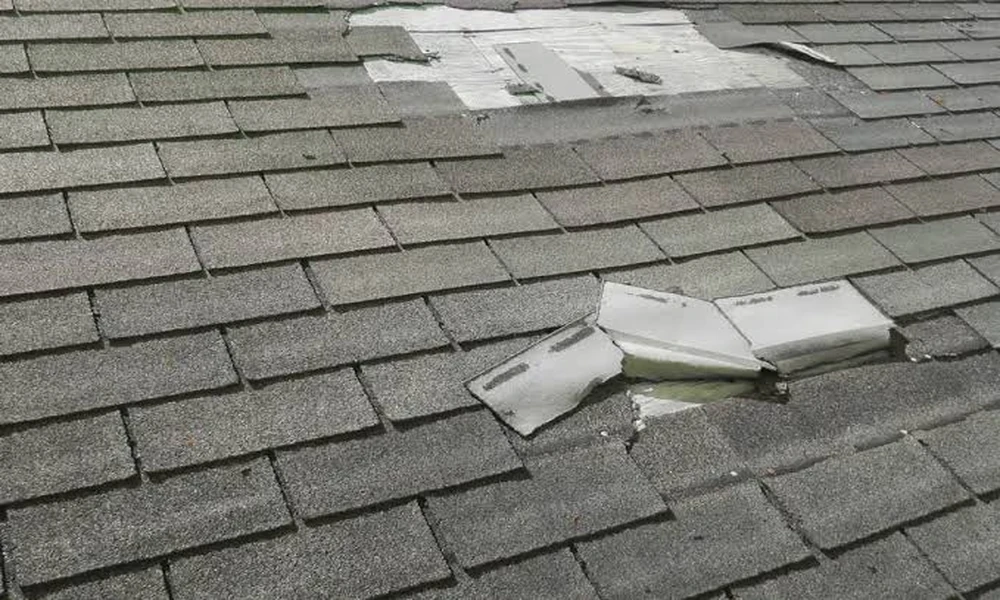
The morning after a hard spring storm rolls up the Ohio River, homeowners in Huntington, Ashland and Ironton tend to do the same thing. They walk to the end of the driveway, tilt their heads back and stare at the roof. Something looks different, or maybe it doesn’t, and that uncertainty turns out to be the real problem.
A roof that has lived through twenty winters and a roof that took a beating last night can carry surprisingly similar marks. Dark patches, loose granules, a curled tab near the ridge. The cause matters far more than most people expect, because a homeowners policy is generally written to pay for sudden damage and not for the gradual wear every roof eventually suffers.
Sorting one from the other is a daily job for crews that handle insurance restoration across West Virginia, Ohio and Kentucky. Nest Roofing is one of them, a GAF certified contractor whose work runs from shingles and commercial roofs to siding, gutters, soffit and fascia, and the distinctions below are the same ones any careful inspector walks through before a claim ever reaches an adjuster.
Two Roofs That Look Alike From the Driveway
From the ground, almost everything reads as a dark spot or a missing piece. Up close, storm damage and aging leave very different fingerprints. The simplest way to think about it is randomness versus uniformity. Weather events strike in patterns that follow the storm. Hail favors the slopes facing the wind, and gusts peel shingles from edges and ridges on the windward side. Age, on the other hand, works evenly and patiently. It shows up across entire slopes, usually worst on the south and west faces that soak up the most afternoon sun.
Hail Leaves a Signature Aging Can’t Forge
A genuine hail strike on an asphalt shingle looks like a small, roughly circular spot where the granules have been knocked loose. The real test is touch. Press a fresh hail mark with a thumb and it feels soft, a little like the bruise on an apple, because the impact has cracked or crushed the fiberglass mat underneath. That fracture is what eventually lets water through.
Hail also rarely hits only the shingles. Gutters and downspouts pick up small dents. The thin fins on an outdoor AC unit get flattened. Soft metal roof vents show pockmarks, and vinyl siding or window screens on the storm side may be chipped or torn.
Blistering is the lookalike that fools people most often. Blisters form when moisture or gas trapped inside a shingle expands in summer heat, often on roofs with weak attic ventilation. They pop and leave pits with clean, sharp edges, and they tend to cluster in tight groups on the sunniest slopes. Underneath, the mat stays firm, and no metal on the property shows matching dents.
Wind Damage and the Slow Lift of Sun and Time
Wind tells its story through creases and gaps. When a gust lifts a shingle tab and folds it backward, the tab often settles back into place looking normal, but it carries a horizontal crease line just above the seal strip. That shingle has lost its grip and will likely tear away in the next blow. Missing tabs that line up along one side of the house, with pieces scattered across the yard, point the same direction. The June 2012 derecho left thousands of Tri State roofs looking exactly like this in a single evening.
Aging creates its own lifting, and it is easy to mistake for wind. Shingles past their prime begin to curl, either cupping at the edges or clawing upward in the middle as the asphalt dries out. Thermal cycling, the daily swing between hot afternoons and cool nights, cracks tabs in random spots across the whole roof. The difference is distribution. Age curls everything a little, while wind damages specific areas a lot.
The Gutters Usually Know Before You Do
Before anyone climbs a ladder, the gutters offer an honest clue. A heavy, sudden layer of granules right after a storm suggests impact damage. A steady trickle that builds up over months is normal shedding on an older roof. One caution applies here, since brand new shingles shed loose granules for their first several months and that means nothing at all.
A homeowner can also document quite a bit without ever leaving the yard.
- Photograph every side of the house, including the gutters, downspouts and siding, with the date visible on the phone.
- Note any dents on the AC unit, mailbox, car or patio furniture, since adjusters treat these as proof that hail was large enough to matter.
- Collect a few pieces of fallen shingle or granule piles in a bag rather than throwing them away.
- Check the attic for fresh water stains or damp insulation, especially near chimneys and valleys.
- Write down the date and time the storm passed.
The Gray Zone Where Both Things Are True
Real roofs are messy, and many carry both kinds of damage at once. A twenty year old roof hit by hail is still a hail damaged roof, but old, brittle shingles break more easily than new ones, and an adjuster may argue that some of what they see is simple wear and tear.
This is where policy details start to matter. Many insurers now write roof coverage on an actual cash value basis once shingles reach a certain age, which means the payout is reduced by depreciation instead of covering the full cost of new materials. A replacement cost policy pays closer to the real price of the job. Knowing which one you have before a storm arrives saves real frustration.
Paperwork, Patience and the Stranger at the Door
Storms bring out traveling contractors who knock on doors, promise to handle everything and sometimes vanish after collecting a deposit. West Virginia’s Attorney General has noted that state law gives homeowners five days to cancel a roofing contract tied to an insurance claim, rather than the usual three, if the insurer ends up denying all or part of the coverage. Reading any contract slowly before signing is wise on every side of the river.
A homeowner also carries some responsibility once damage is suspected. Insurers generally expect reasonable steps to prevent further harm, so a tarp over an open area or a quick patch on a leak should happen promptly, with receipts kept for every expense. Being present when the adjuster visits helps too, ideally alongside an independent roofer who has already inspected the roof and can point to the bruised mats, creased tabs and dented metal in person.
In the end, the question of storm or age is rarely settled by a glance from the driveway. It gets settled by evidence, gathered early by people who know what a fractured shingle feels like under a thumb. A homeowner who understands the difference walks into the claims process with clear eyes, realistic expectations and a far better chance of getting the roof the house actually needs.
