

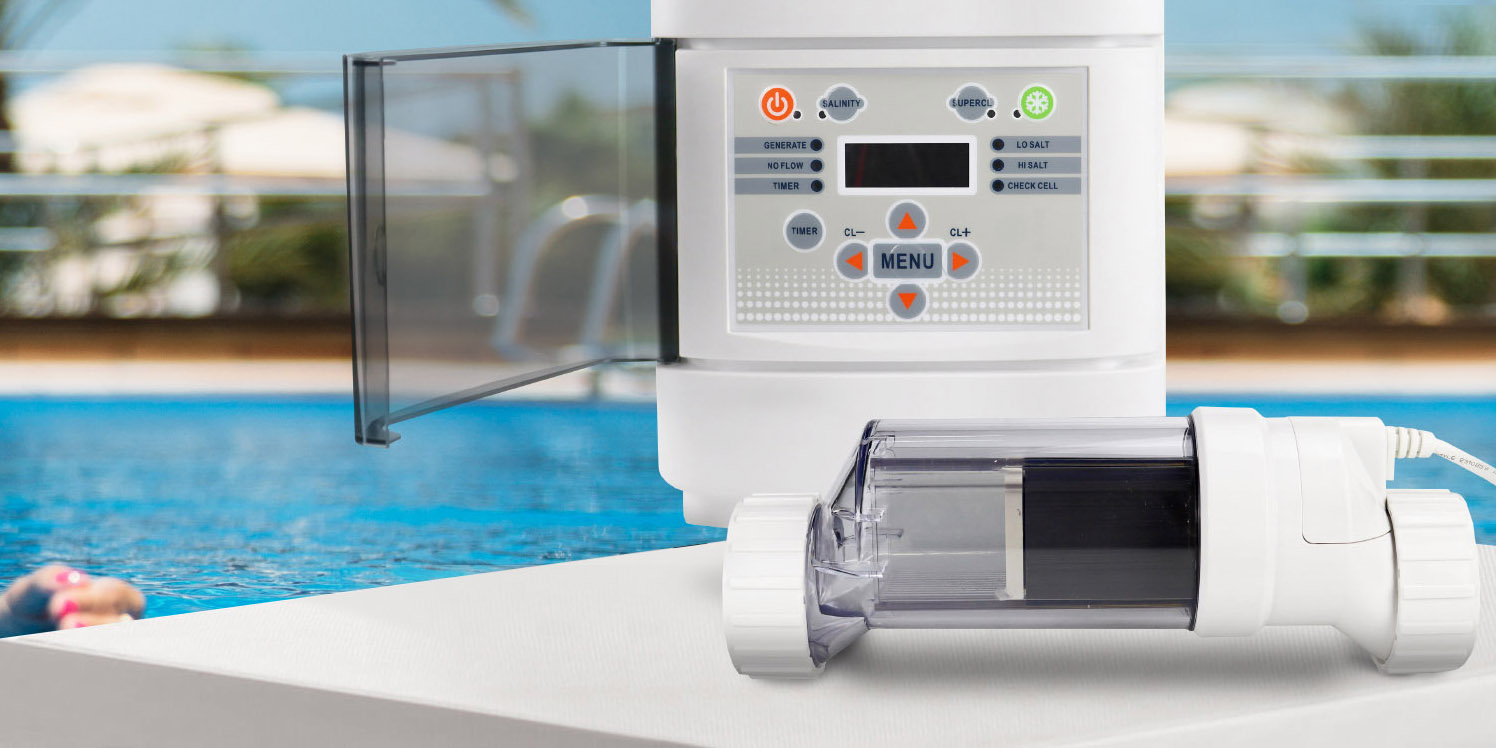
In the world of pool maintenance, the biggest concern of pool owners is keeping the water clean and healthy. Salt chlorinator systems have become vastly popular in recent years. With their appearance, they have changed the pool maintenance game completely. This article will discuss what salt chlorinator systems are, their advantages and how they stand against other systems such as ozone pool systems, mineral pool systems and ioniser systems.
What Are Salt Chlorinator Systems?
Salt chlorinator systems are a process that uses electrolysis to convert salt (sodium chloride) into chlorine. Rather than adding chlorine directly to the pool, the salt chlorinator disinfects the water through electrolysis (the process of causing a chemical change by passing an electric current through it). This method of sanitation not only simplifies pool maintenance, it also brings several other advantages.
How Salt Chlorinators Work
Salt chlorinators utilise a process called electrolysis to convert the process of adding salt (sodium chloride) and converting it to chlorine that sanitises your pool water. Once installed, this self-sustaining system effortlessly creates chlorine, so much so that manual additions from the owner are hardly ever needed, which will lighten maintenance for the pool owners.
Benefits
One of salt chlorinators’ most significant benefits is their low maintenance; compared with traditional chlorine systems, you will not need to do anything as often, if at all, to keep the chlorine levels stable. Moreover, saltwater can be a softer alternative for skin and eyes, making swimming experiences more pleasant. A salt chlorinator can cost you much more upfront but is more affordable in the long run, especially considering the lower chemical expenses.
Considerations
Because salt chlorinators keep pools clean, salt oversaturation can lead to functional disorders and unwarranted pipeline corrosion. Bleach water can be harsh on pool equipment and surfaces. Hence, regular maintenance and using corrosion-resistant materials are essential to keeping pool components working for as long as possible.
Comparing Salt Chlorinator Systems with Other Pool Sanitisation Options
Ozone Pool Systems
How Ozone Systems Work
Ozone gas is produced by ozone pool systems and injected into the pool water. It is a powerful oxidant that destroys organic pollutants and bacteria. These systems are often used in tandem with other means of sanitisation, such as chlorine, to improve the overall water quality.
Benefits
Ozone kills contaminants quickly, which can mean drastic reductions in chlorine use. This, in turn, enhances water quality, resulting in much more straightforward and sanitised pool water.
Considerations
While ozone systems can be effective, their initial installation cost can be high. However, over time, they may lead to savings on chemical costs. Prospective users must also consider that ozone generators require regular maintenance; otherwise, they will not operate effectively.
Mineral Pool Systems
How Mineral Systems Work
A mineral pool system uses mineral cartridges that release natural antibacterial minerals such as silver, copper, and zinc into the pool water. More accessible and less chlorine is needed to achieve crystal clear water using one of these mineral packs versus traditional pool sanitising approaches.
Benefits
Mineral pools have two benefits: softer water brings comfort and eliminates the swimming experience on your skin. These systems also drastically reduce the demand for expensive chlorine and chemicals, making your pool a more environmentally friendly environment.
Considerations
The only drawback of mineral cartridges is that they must be replaced a couple of times throughout the system’s life, which can increase upkeep costs over the years. Furthermore, a mineral system’s initial setup cost may be higher than traditional chlorination systems, so budget considerations are essential.
Ioniser Systems for Pools
How Ioniser Systems Work
Ioniser systems release metal ions like copper and silver into the pool water. These ions help control algae and bacteria growth and provide an additional layer of sanitisation. Ionisers are typically used with other methods, like chlorine, to ensure comprehensive water treatment.
Benefits
Ionisers can drastically reduce the amount of chlorine and other chemicals required to keep pool water in line, which is an attractive quality to many environmentally aware pool owners. Pool skimmers can keep algae at bay and help maintain pool hygiene.
Considerations
While ioniser systems for pool can have a high initial cost, ongoing maintenance includes regularly checking metal levels and ensuring ioniser performance. While effective, ionisers work best as a complementary system rather than a standalone solution.
Additional Considerations for Pool Water Sanitisation Systems
In picking out a pool water sanitisation system, there are some other things that you should have in mind to keep your pool clean, safe, and easy to maintain. Here is a quick reminder of some other points to consider:
Compatibility with Existing Equipment
If installing a new sanitisation system, ensure it is compatible with your current pool equipment, such as pumps, filters, and electric or gas heaters. An expert opinion may only be needed to integrate your pool, ultimately reducing potential long-term problems.
Water Chemistry Management
Regardless of the sanitisation system, water chemistry is essential for proper operation. Regularly testing pH, alkalinity, and calcium hardness is paramount to keeping the system running at peak performance. You may also need to make periodic adjustments to the chemical balance in your pool.
Environmental Impact and Sustainability
When considering a sanitisation system, evaluate its energy consumption. Systems like ozone and ionisers often consume less energy than traditional chlorine systems, contributing to lower operational costs. Reducing your chemical additives will significantly reduce your pool’s environmental impact and chemical discharge.
Cost Considerations
When comparing various sanitisation systems, consider the initial costs associated with installation and any necessary modifications to existing equipment. This not only solidifies a great option, but you should also determine the probable lifetime savings on chemicals and maintenance.
User Experience and Convenience
Selecting a system that you find user-friendly and straightforward to use is crucial so you do not have a hard time with your pool maintenance, but it may be easy — this type of low maintenance commitment might be just up your alley. Finally, the most advanced systems on the market can come with automated controls and monitoring to help you manage overall water quality in your pool.
Conclusion
As pool water becomes prone to algae and bacteria, salt chlorinator systems, which can be unobtrusive in both price and convenience, offer protection for both clean and safe water. These systems are also more gentle on swimmers than the traditional chlorine-based approach. When compared with ozone pool systems, mineral pool systems and ioniser systems. As a modular and adaptable choice for your swimming pool, salt chlorinator systems can also work well in conjunction with such other methods of sanitation as you choose to employ.
If the salt chlorinator provides pool water that is spotlessly clear and easy to maintain, then there is little reason against it. By working with other systems to reap the benefits of its chlorinated pool, you can make a wise decision and swim in your crystal-clear pool to suit the season.
