

Retail models shape customer experience and brand identity. Two dominant approaches stand apart. Boutique curation focuses on depth and uniqueness. Volume luxury emphasizes scale and wide availability. Both models serve premium markets with different strategies. The choice defines operations and long-term positioning. Now the comparison reveals how each model performs in modern retail landscapes.
Understanding Boutique Curation
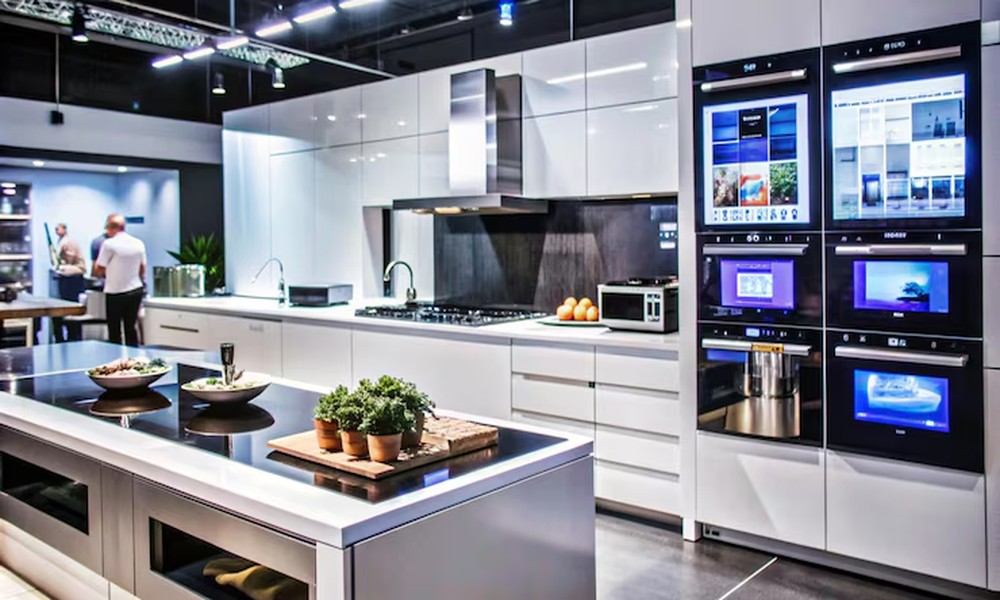
Boutique curation centers on selective product offerings. Stores present fewer items with strong identity and purpose. Each item reflects careful sourcing and refined taste. The environment feels intimate and thoughtful. Customers receive personalized service and detailed guidance. Now this model builds emotional connection with discerning buyers. It often suits niche segments with high expectations. A luxury kitchen appliance store may use this approach to showcase craftsmanship and design excellence. But growth can remain limited due to restricted inventory and slower turnover rates.
Exploring Volume Luxury
Volume luxury operates on scale and accessibility. Stores offer broad product ranges across categories. The goal is to attract a larger premium audience. Customers enjoy more choices within a luxury framework. Pricing strategies support higher sales volume and repeat visits. Sometimes this model leverages global supply chains for efficiency and cost control. So, brands can expand quickly across regions and markets. However, the experience may feel less personal and curated. The balance between exclusivity and availability becomes a constant challenge for operators.
Customer Experience and Brand Perception
Customer experience differs sharply between these models. Boutique stores create calm and focused shopping journeys. Staff engage deeply with each visitor and offer tailored advice. The atmosphere supports trust and long-term loyalty. Now this builds a strong emotional brand connection. Volume luxury stores provide convenience and variety for busy buyers. Customers can compare many options within one visit. But interaction may feel transactional rather than relational. Brand perception shifts based on these experiences. Boutique curation signals exclusivity and artistic value. Volume luxury suggests prestige with broader accessibility.
Operational Complexity and Cost Structures
Operations vary greatly between the two models. Boutique curation relies on selective sourcing and skilled staff. Inventory remains limited but highly specialized and premium. Costs focus on quality procurement and expert service delivery. Now margins depend on perceived value rather than sales volume. Volume luxury requires efficient logistics and inventory management systems. Large scale operations demand advanced supply chain coordination and forecasting. Sometimes technology plays a central role in maintaining efficiency. So, costs distribute across infrastructure and marketing investments. High sales volumes often determine profitability.
Market Change Adaptation
Market conditions affect model success. Boutique curation suits personalized and craftsmanship trends. Customers increasingly want unique, meaningful purchases. Our model matches this customer value change. Rapid market growth raises scalability concerns. Volume luxury meets rising global premium goods demand. Established infrastructure and wide offers help brands reach new regions. Scale and resource availability enable adaptation. Maintaining brand uniqueness gets harder over time.
Conclusion
Both retail models offer distinct advantages and limitations. Boutique curation excels in personalization and brand depth. Volume luxury succeeds in reach and operational scale. The ideal choice depends on target audience and strategic goals. Businesses must align model selection with long term vision. So, understanding these differences enables better decision making in competitive luxury markets.
